


In the dark, gripping world of Lies of P, players face many difficult choices, but none are as emotionally charged as deciding the ultimate fate of Sophia Monad. Serving as Pinocchio’s angelic guide and the main catalyst for his level progression, her storyline culminates in a devastating moral dilemma at the Isle of Alchemists.
After discovering that her real, physical body has been brutally tortured and bound to a machine by Simon Manus, you are presented with her heartbreaking plea to end her suffering. This raises one of the game’s most critical decisions—should you grant her wish and give her peace, or ignore her request and let her live ? This pivotal moment goes far beyond a simple narrative branch, as it directly impacts Pinocchio’s humanity levels, triggers a physical transformation, and determines which ending you can ultimately achieve.
Sophia Monad
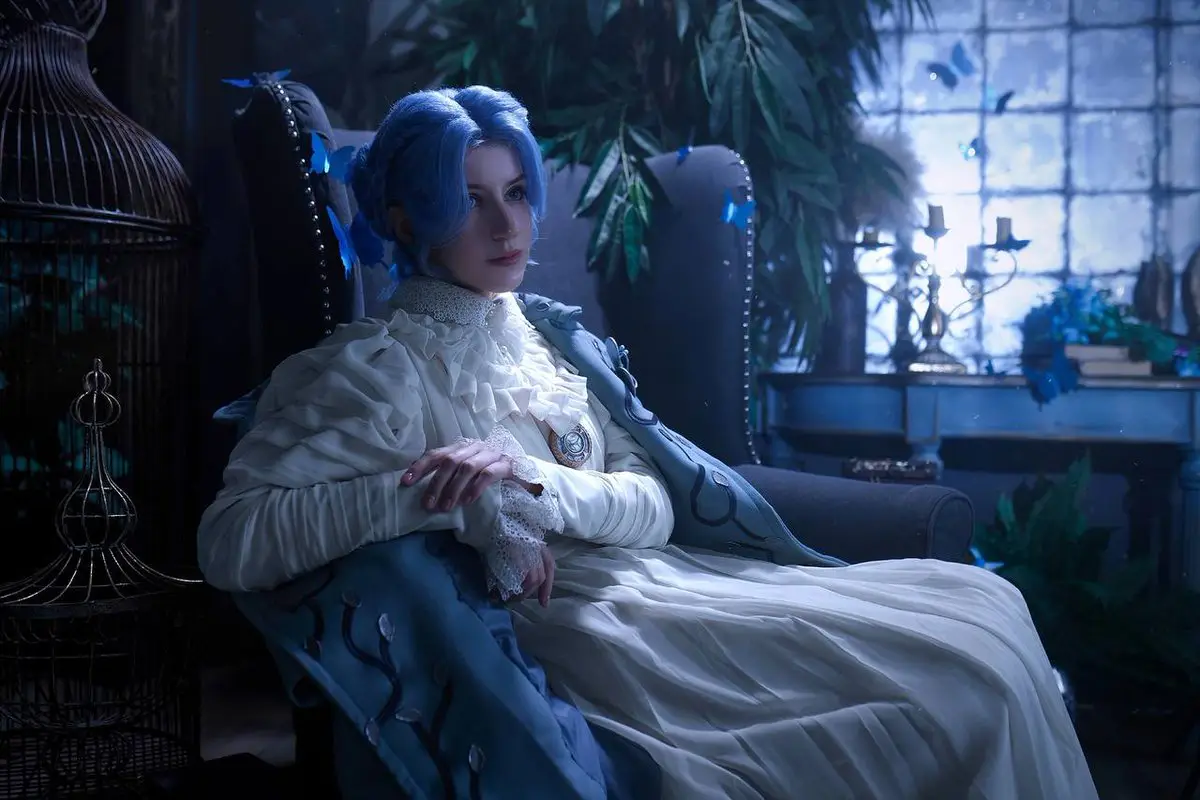
Name
“I am Sophia. I have been waiting for you.”
Sophia Monad, widely known simply as Sophia, is the primary heroine and the angelic guide of Lies of P. Drawing direct inspiration from the Blue Fairy in the classic Pinocchio tale, she acts as a vital companion whose destiny is completely intertwined with the protagonist’s journey.
Location
Throughout the campaign, players will interact with Sophia in two entirely different environments:
- Hotel Krat: For the majority of the game, Sophia’s ethereal projection safely resides in the main lobby, allowing players to channel Ergo and level up their character to face increasingly difficult enemies.
- Isle of Alchemists: Her real, physical body is hidden away in this late-game area, bound to a horrific machine as a result of cruel experiments orchestrated by Simon Manus.
Information
Understanding Sophia’s background is essential for grasping the deeper lore of the game. Below is a comprehensive breakdown of her personal details:
| Attribute | Description |
|---|---|
| Gender | Female |
| Family | Monad Family (Prominent historical figures among the Alchemists) |
| Status | Determinant (Her ultimate survival depends entirely on the player’s choice to either spare her or give her peace) |
| Voice Actor | Allegra Marland (Widely recognized for her voice acting role as Millicent in the Elden Ring universe) |
Contents
This section of the guide explores the comprehensive lore and mechanical significance of Sophia throughout Lies of P. It delves into her deeply tragic history, her critical role during the catastrophic events in the city of Krat, and the profound gameplay implications of her presence. Readers will also find detailed breakdowns of the specific achievements tied to her character and a thorough analysis of the ultimate choices that define her final fate.
History
Sophia’s existence is a heartbreaking tale of manipulation, immense power, and ultimate sacrifice. As a central figure in the game’s overarching narrative, her past is intricately linked to the mysterious, soul-bearing substance known as Ergo. Her destiny was forcefully shaped by the ambitious Alchemists who sought to control the city’s supernatural resources at any cost.
Background
Born into the prestigious Monad family, Sophia possessed a unique and incredibly powerful affinity for Ergo, granting her the extraordinary ability to manipulate time and energy. Recognizing her immense potential, the ruthless Simon Manus captured her and imprisoned her on the remote Isle of Alchemists.
There, she was subjected to cruel, unrelenting experiments; her true physical body was permanently bound to a massive machine designed to forcefully siphon her powers for Manus’s sinister ascension. Despite enduring this horrifying and agonizing torment, she managed to project an ethereal version of herself to Hotel Krat, desperately seeking a champion who could stop the madness.
Puppet Frenzy
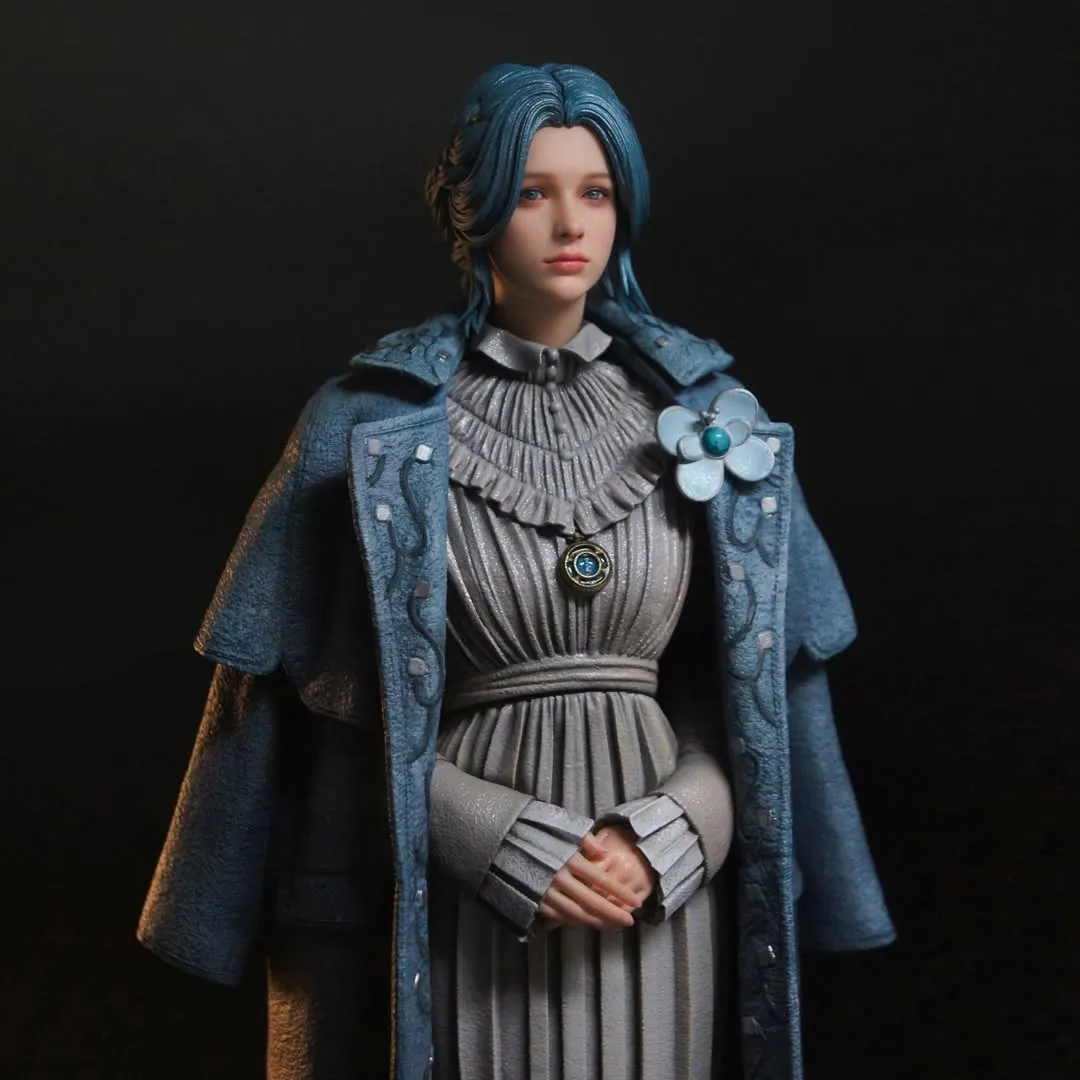
The catastrophic event known as the Puppet Frenzy plunged the city of Krat into absolute chaos when the previously docile automatons broke the Grand Covenant and slaughtered their masters. Amidst this bloody rebellion and the rapid spread of the Petrification Disease, Sophia utilized her profound connection to Ergo to awaken Pinocchio in the train station. Her extraordinary time-manipulating abilities allowed her to continually rewind time upon his death, serving as the canonical lore explanation for the game’s challenging respawn mechanics.
Gameplay
From a mechanical perspective, Sophia is an indispensable asset to the player’s progression, functioning similarly to the traditional “level-up” maidens found in the Soulslike genre. Interacting with her ethereal form at Hotel Krat is essential for surviving the harsh environments of the game.
Her primary gameplay functions include:
- Channeling Ergo: Players must speak to her to convert collected Ergo into permanent attribute points, increasing health, stamina, and damage output.
- Narrative Guidance: She serves as the primary quest-giver, pointing Pinocchio toward the next major boss or location while unraveling the mysteries of the Alchemists.
- World-Building: Interacting with her after major story milestones unlocks unique dialogue options and character gestures that enrich the game’s deep lore.
Achievement/Trophy
Sophia’s storyline is directly tied to a highly coveted trophy and achievement titled “The Story of the Blue Butterfly”. Unlocking this emotional conclusion requires careful attention to the game’s internal morality system and specific endgame actions.
To secure this achievement, players must follow a strict sequence of events:
| Step | Action Required |
|---|---|
| 1. Build Humanity | Consistently choose to lie and listen to records throughout the game to ensure Pinocchio’s humanity level is as high as possible (“Your heart is pounding”) . |
| 2. The Crucial Choice | When you finally discover her physical body at the Isle of Alchemists, you must choose the “Give her peace” dialogue option . |
| 3. Transformation | If your humanity is high enough when giving her peace, Pinocchio’s hair will instantly turn gray, signifying a major step toward becoming human . |
| 4. The Epilogue | Complete the game, achieve the “Rise of P” ending, and do not start New Game Plus immediately. Instead, return to Hotel Krat and read the letter left on Geppetto’s desk . |
Letting Sophia Live
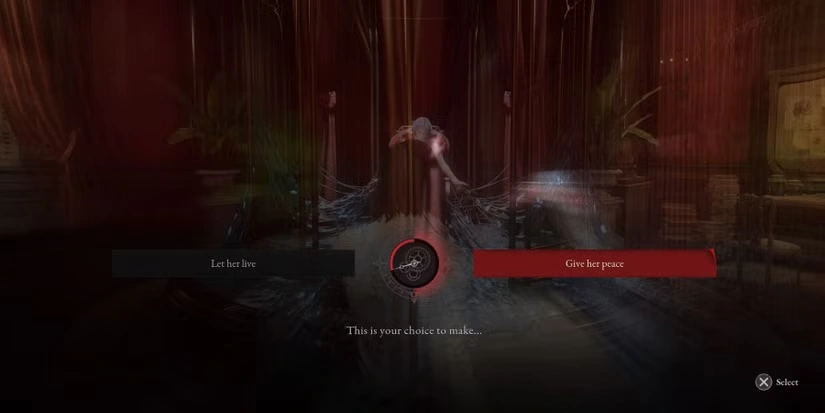
Choosing to let Sophia live means refusing her plea to end her suffering when you find her real body on the Isle of Alchemists. In this route, her tortured physical form remains connected to Manus’s machine, but her ethereal presence continues to guide Pinocchio until the end of the game. Narratively, this decision can be interpreted as clinging to hope and refusing to take her life, even at her own request.
From a gameplay perspective, keeping Sophia alive is generally associated with less optimal endings, as it does not trigger the key humanity transformation or the conditions required for the “Rise of P” true ending. In many community interpretations, sparing her contradicts her own wishes, leaving her trapped in an endless cycle of pain while Manus’s influence over her Ergo-powered body remains intact.
Pros of Letting Sophia Live
- You avoid personally ending Sophia’s life, which some players find morally easier.
- Her spiritual guidance remains present, preserving the image of Sophia as an eternal, angelic guardian.
- This choice reinforces the theme of refusing to give up, even when everything seems broken.
Cons of Letting Sophia Live
- You ignore her explicit request for release, effectively prolonging her torment.
- You miss out on crucial narrative and visual changes tied to Pinocchio’s humanity and the most satisfying ending.
- Many players view this route as less emotionally fulfilling and less “canon” compared to giving her peace.
Giving Sophia Peace
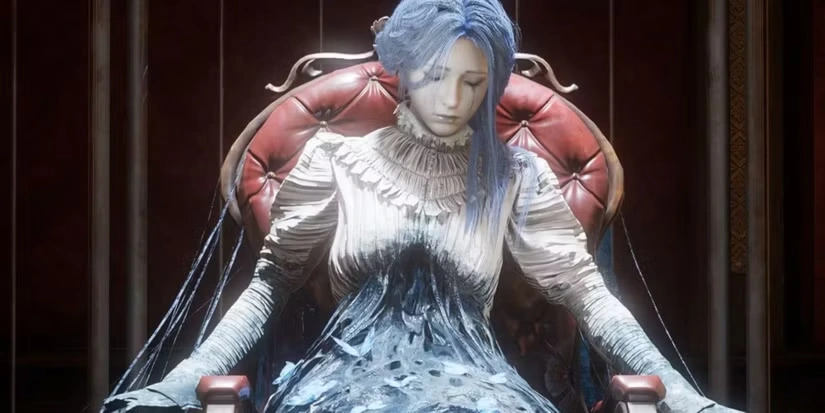
Choosing to give Sophia peace is the most emotionally charged and consequential option. Here, you fulfill her final wish by disconnecting her body from the machine and ending her suffering, granting her a dignified and merciful death. This decision aligns with her own desire and is widely seen as the morally compassionate route.
Mechanically and narratively, this choice is strongly linked to the “best” outcome of the game. If your humanity is high enough (through lies and records) when you give her peace, Pinocchio undergoes a visible transformation—his hair turns gray—symbolizing his progression toward becoming truly human. This route is also key to unlocking the Rise of P ending and the “Blue Butterfly” story payoff players consider the most complete and satisfying.
Pros of Giving Sophia Peace
- You honor her explicit wish and release her from unbearable pain.
- You trigger the humanity-related transformation and set up conditions for the true ending.
- The emotional payoff is much stronger, delivering a tragic but meaningful closure to her arc.
Cons of Giving Sophia Peace
- You must actively choose to end a beloved character’s life, which can feel brutal.
- Some players may feel they are “giving up” on her survival, even if it is merciful.
- The scene is heavy and can be difficult to watch, especially on a first playthrough.
Conclusion: What Should You Choose?
If you care about both narrative depth and optimal endings, the most rewarding choice in Lies of P is almost always to give Sophia peace. This option respects her agency, brings true closure to her suffering, and opens the path to the game’s most complete, humanity-focused conclusion. By contrast, letting her live keeps her trapped, blocks the most meaningful ending, and feels more like a refusal to act than genuine mercy.
In simple terms:
- For lore, emotional impact, and “best ending” → give her peace.
- For a morally conflicted, less optimal route → let her live.
FAQ
1. Does letting Sophia live change my ending?
Yes, letting Sophia live typically leads to a less optimal ending and prevents the conditions required for the “Rise of P” true ending. It keeps her bound to the machine and limits your humanity-driven payoff.
2. Is giving Sophia peace required for the true ending?
Giving Sophia peace is a major requirement for the “Rise of P” ending, provided your humanity is high enough (through lying and listening to records) and you follow the final steps after finishing the game.
3. Why does Pinocchio’s hair turn gray?
Pinocchio’s hair turning gray after giving Sophia peace (with high humanity) symbolizes his transition toward true humanity, reflecting the emotional weight of his choice and the growth of his heart.
4. Can I get Sophia-related achievements if I let her live?
Most Sophia-focused achievements and narrative payoffs are tied to giving her peace and meeting humanity conditions. Letting her live usually blocks the most impactful trophy and epilogue content.
5. Is letting Sophia live considered “good” or “bad”?
It is morally ambiguous. You avoid killing her, but ignore her plea and prolong her torture. Many players and lore analysts consider giving her peace the more compassionate, “good” route.
6. Can I see both routes in one playthrough?
Practically, no. You must pick one choice in your first run. To see the alternative route and ending, you’ll need another playthrough or New Game Plus, making a different decision regarding Sophia.
7. Which choice fits the Pinocchio theme better?
Giving Sophia peace fits the core Pinocchio themes of becoming human and learning to feel real emotions. It underlines sacrifice, empathy, and the cost of gaining a human heart more clearly than letting her live.